
Uncategorized
HD 45364
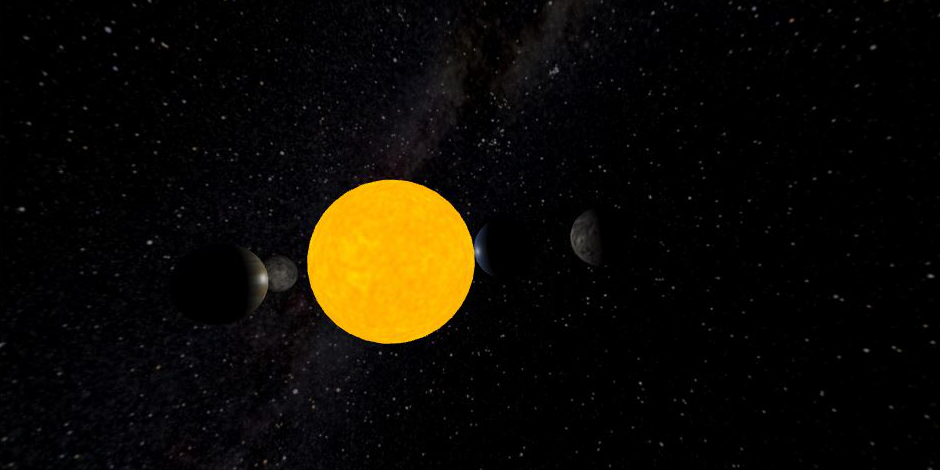
HD 45364 is an extrasolar system located 107 light-years away in the constellation Canis Major (the Greater Dog). The central star is an yellow dwarf (spectral type G8V), a little smaller the Sun (0.88 solar masses, 0.82 solar radii) and of similar temperature (5270 °C, compared to 5500 °C for the Sun). With a visual […]
Continue Reading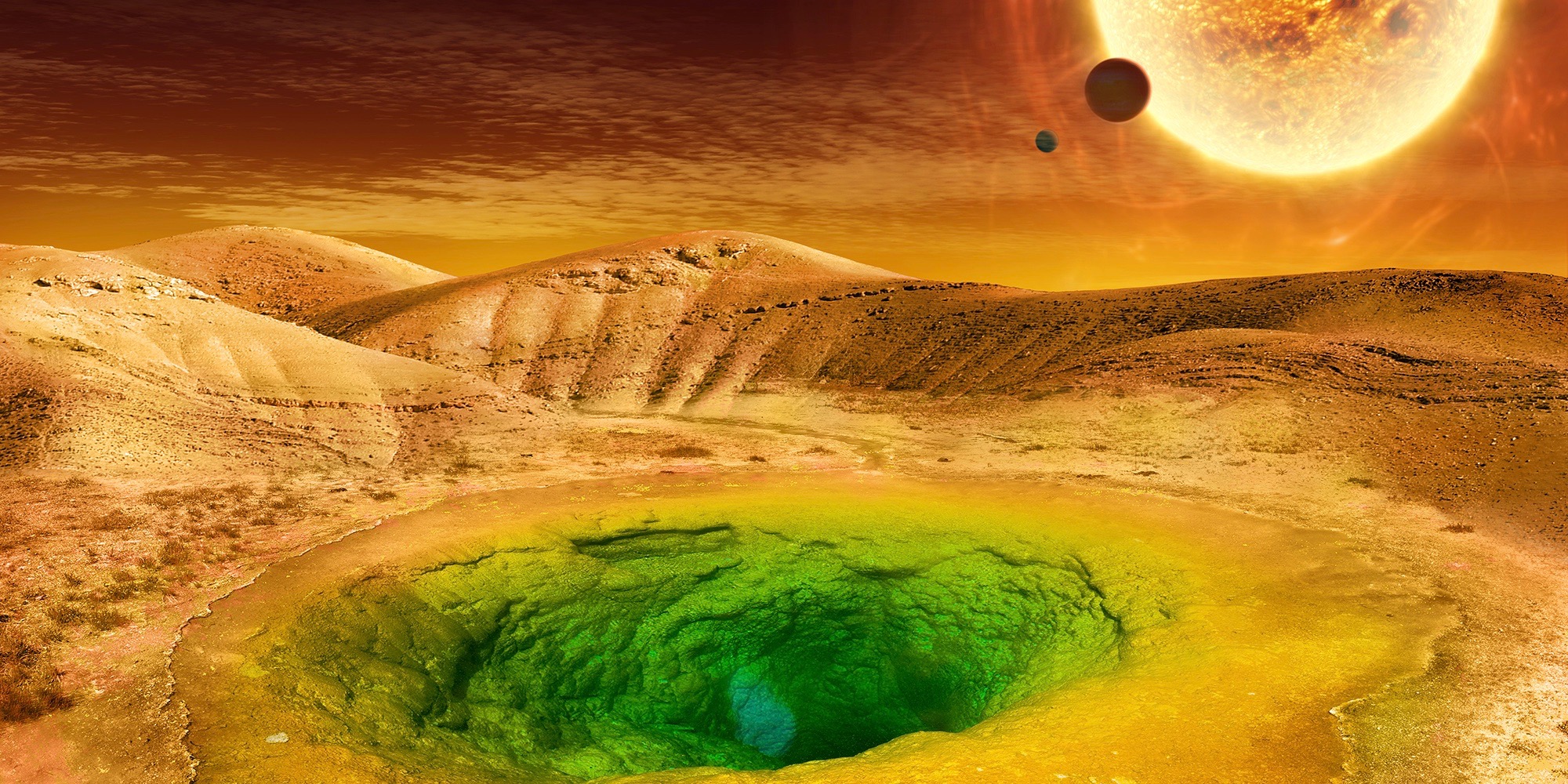
How to find signs of life in space
Astrophysicists of the NCCR PlanetS contributed to a series of NASA papers that lay out strategies to search for signs of life beyond our solar system. They assume that the detection of atmospheric signatures of a few potentially habitable planets may possibly come before 2030. Three years ago, NASA has gathered researchers from around the […]
Continue Reading
Where Medical Technology and Astrophysics Meet
At the University of Bern, astrophysicists of the Center for Space and Habitability (CSH) teamed up with medical technology researchers to develop a new method to analyse spectra of atmospheres of planets beyond our solar system. The unusual collaboration applied an artificial intelligence tool to study the chemistry of exoplanetary atmospheres. When Kevin Heng, director […]
Continue Reading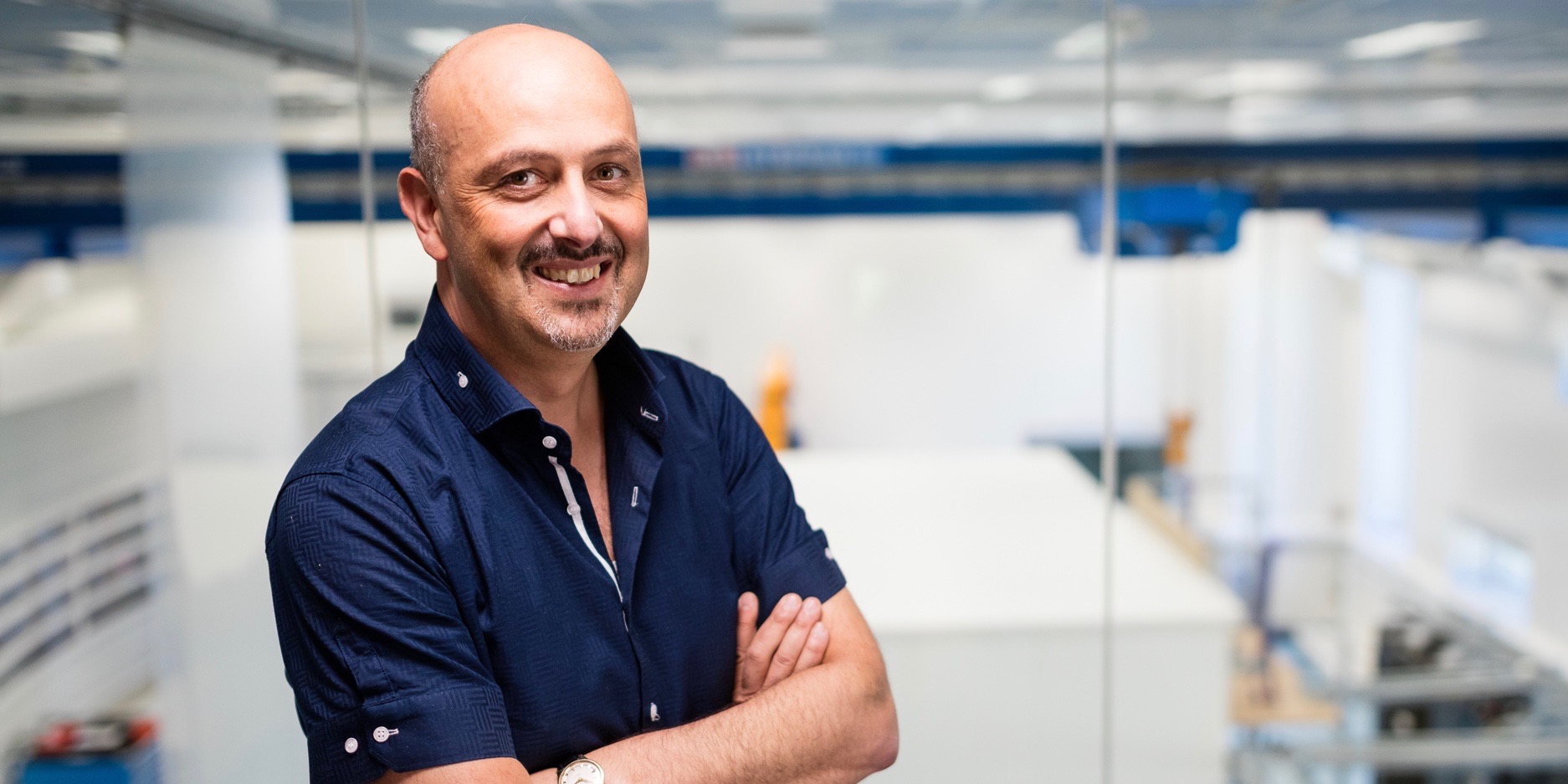
Real added value
By Francesco Pepe On May 29th and 30th PlanetS will have its 4th Site Visit. This important event is concurrent with the end of the first phase of the NCCR, and may be an occasion to make a step back, breath and … meditate: Where would Planetary Science in Switzerland stand today without PlanetS? What […]
Continue Reading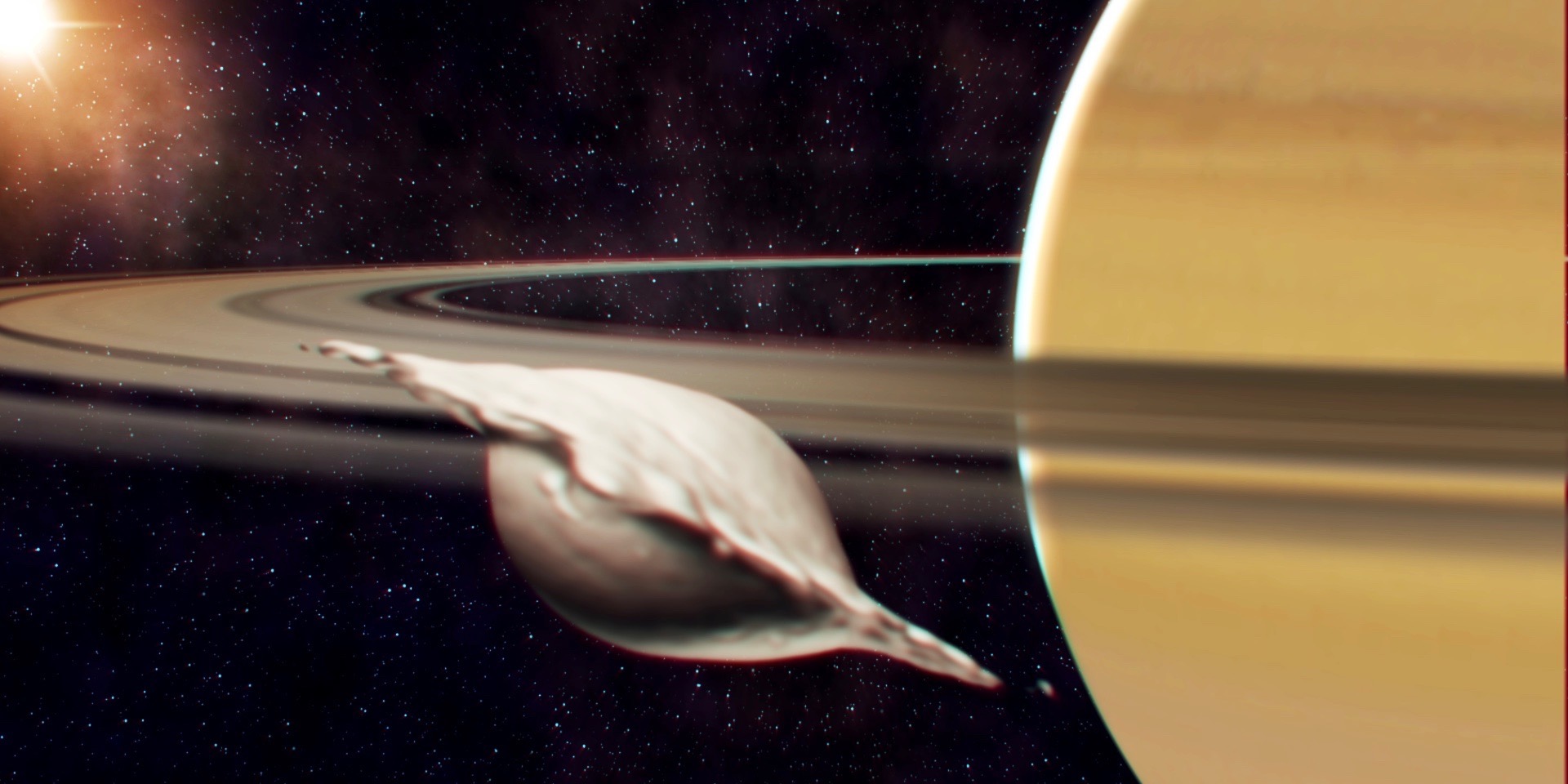
Cosmic ravioli and spaetzle
The small inner moons of Saturn look like giant ravioli and spaetzle. Their spectacular shape has been revealed by the Cassini spacecraft. For the first time, researchers of the University of Bern (Switzerland) show how these moons were formed. The peculiar shapes are a natural outcome of merging collisions among similar-sized little moons as computer […]
Continue Reading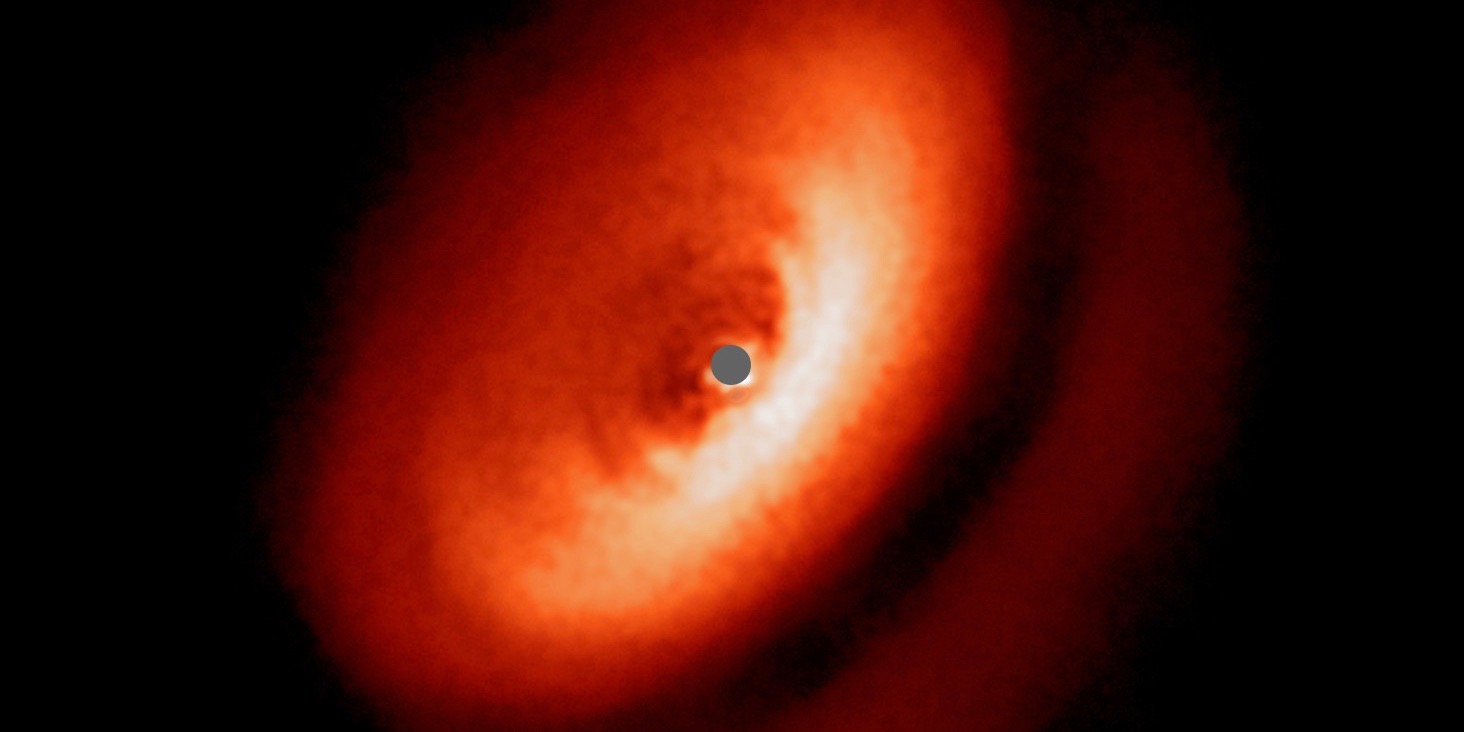
An amazingly wide variety of disks
With an instrument at the Very Large Telescope in Chile scientists of ETH Zurich and NCCR PlanetS observed planet-forming disks around young stars similar to the sun 4,5 billion years ago. Surprisingly, the disks are very different. The largest extends almost ten times further into space than the smallest. The data will help to shed […]
Continue Reading
CHEOPS rocket sticker selected
A colourful design by Denis Vrenko of Celje, Slovenia, will be featured on the rocket that will launch CHEOPS, the CHaracterising ExOplanets Satellite, into space. Denis Vrenko is a twenty-five year old graphics designer and final-year architecture student at the University of Ljubljana. His design was one of over 300 entries in a competition organised […]
Continue Reading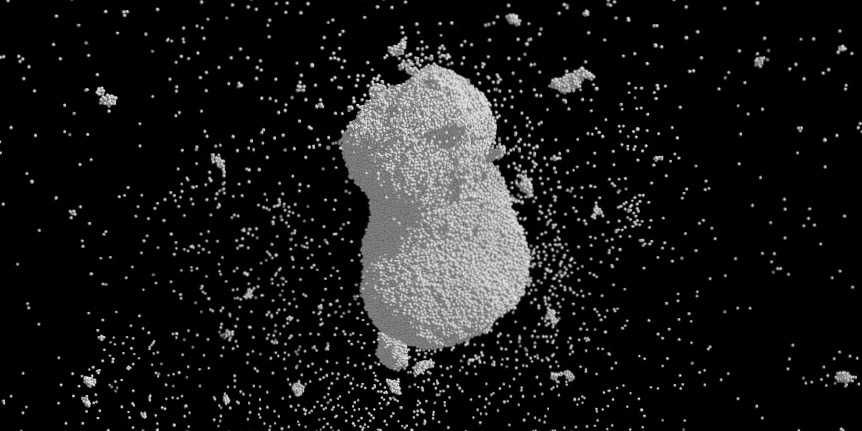
Comet “Chury’s” late birth
Comets which consist of two parts, like Chury, can form after a catastrophic collision of larger bodies. Such collisions may have taken place in a later phase of our solar system, which suggests that Chury can be much younger than previously assumed. This is shown through computer simulations by an international research group with the […]
Continue Reading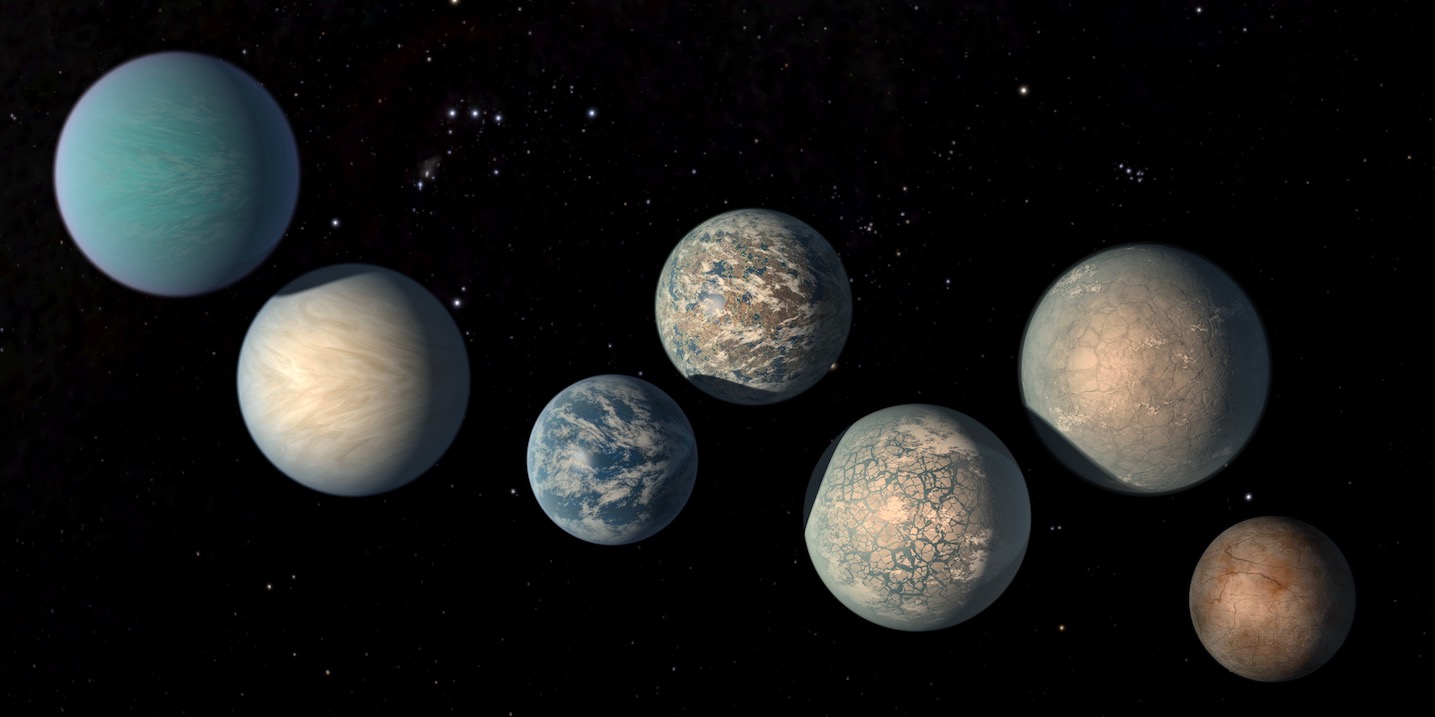
What the TRAPPIST-1 planets could look like
Researchers at the University of Bern are providing the most precise calculations so far of the masses of the seven planets around the star TRAPPIST-1. From this, new findings are emerging about their density and composition: All TRAPPIST-1 planets consist primarily of rock and contain up to five percent water. This is a decisive step […]
Continue Reading