
Uncategorized
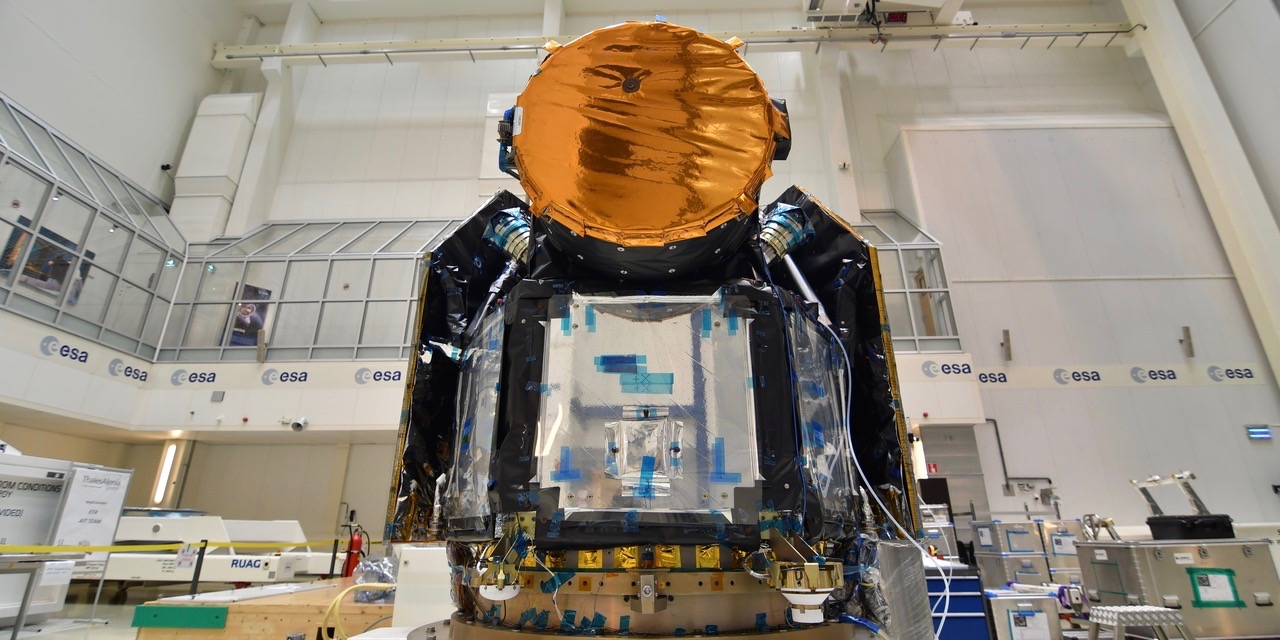
CHEOPS launch slot announced
The CHaracterising ExOPlanet Satellite, CHEOPS, will target 15 October to 14 November 2019 for launch as the European Space Agency ESA announced on 23 November 2018. CHEOPS will lift off on a Soyuz rocket operated by Arianespace from Europe’s spaceport in Kourou, sharing the ride into space with a satellite that is part of the […]
Continue Reading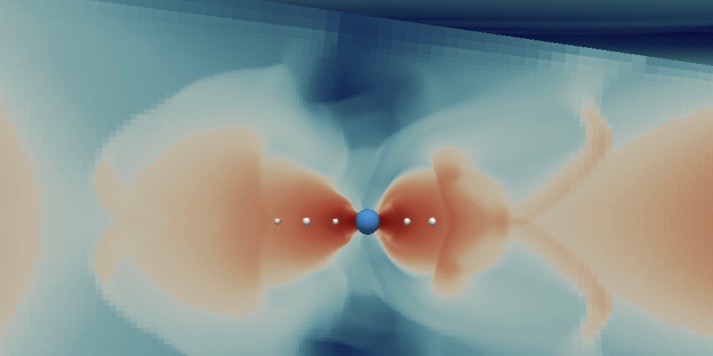
Encouraging prospects for moon hunters
Astrophysicists of the University of Zürich, ETH Zürich and the NCCR PlanetS show how the icy moons of Uranus were born. Their result suggests that such potentially habitable worlds are much more abundant in the Universe than previously thought. The unprecedentedly complex computer simulations were performed at the Swiss National Supercomputing Centre (CSCS) in Lugano. […]
Continue Reading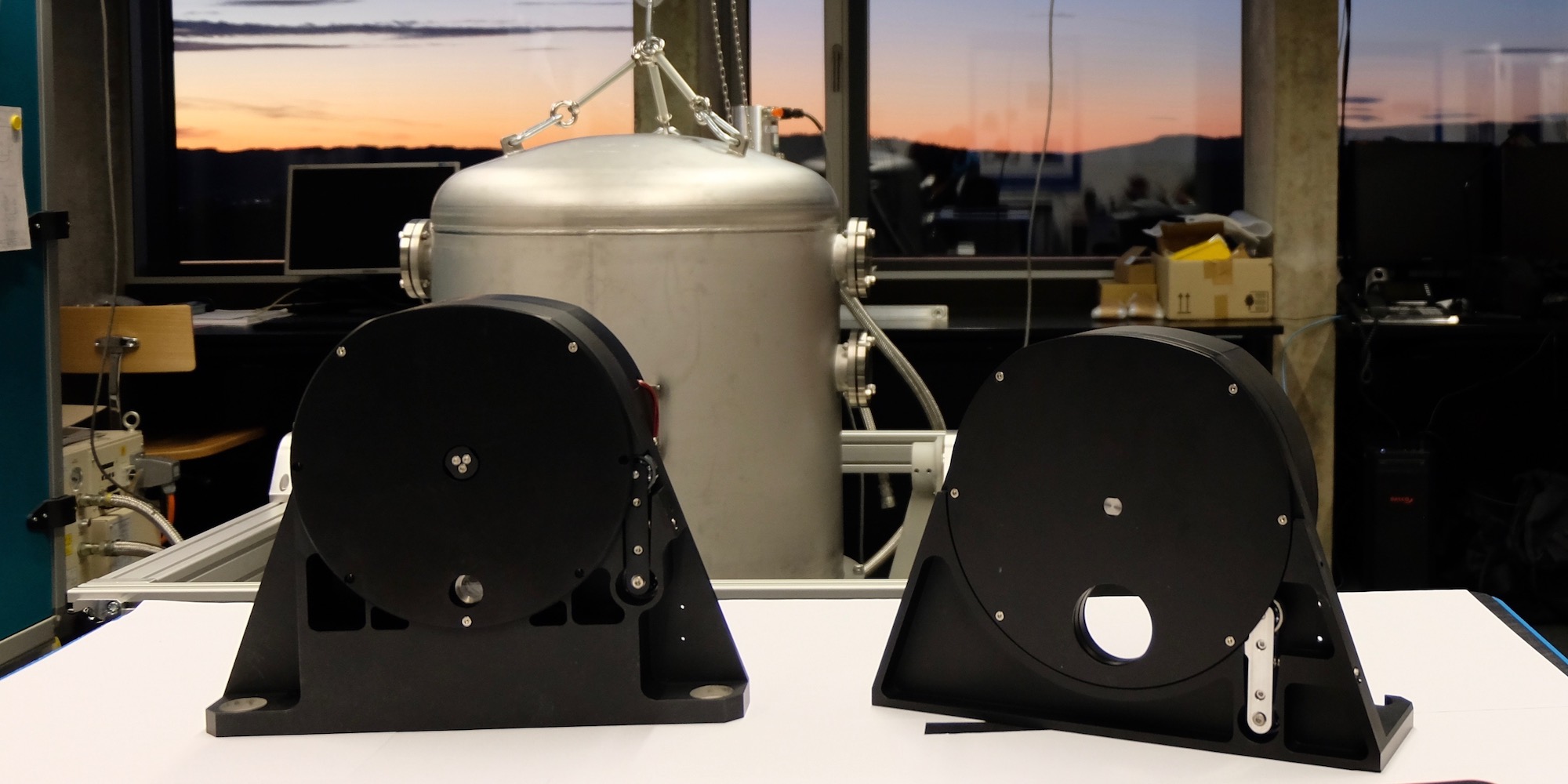
Two wheels for a new instrument
The Laboratory for Astronomical Instrumentation at ETH Zürich has shipped its first cryogenic wheels that were developed for the new infrared instrument ERIS on the ESO Very Large Telescope. These mechanisms will hold various filters and masks that provide unique capabilities for direct imaging and characterization of exoplanets. The Laboratory for Astronomical Instrumentation (part of […]
Continue Reading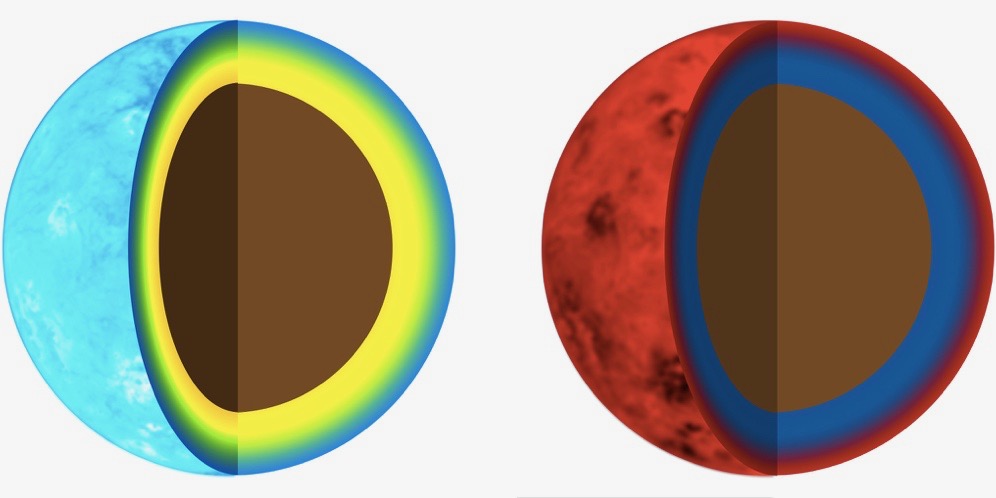
The Stuff that Planets Are Made of
Researchers of the NCCR PlanetS at the University of Zürich have analyzed the composition and structure of far-away exoplanets using statistical tools. Their analysis indicates whether a planet is earth-like, made up of pure rock or a water-world. The larger the planet, the more hydrogen and helium surround it. Is there a second Earth out […]
Continue Reading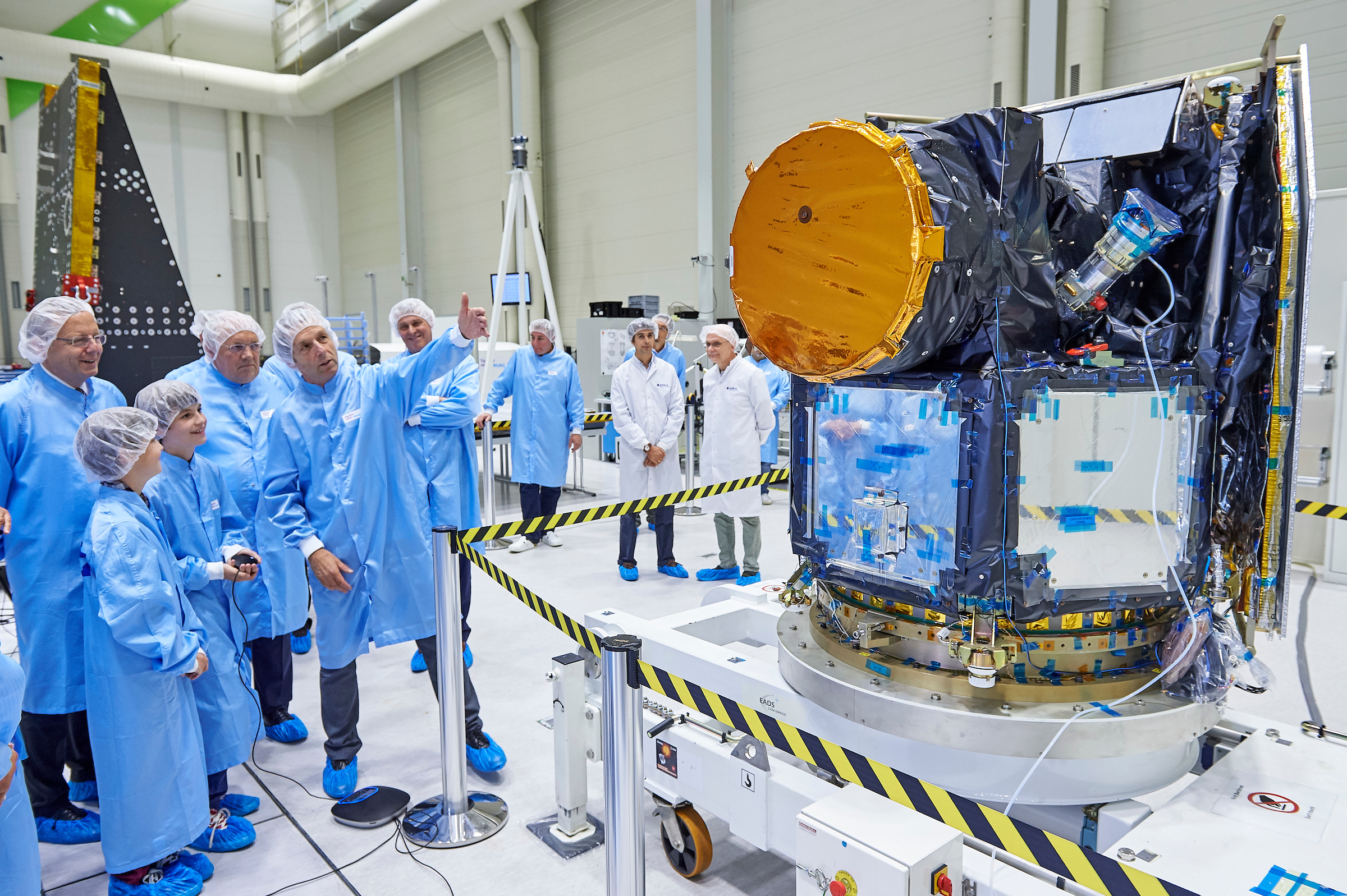
“Switzerland is a space nation!”
The research satellite CHEOPS was developed jointly by the University of Bern and the European Space Agency ESA. At an event at RUAG in Zurich on 27 August 2018, representatives of the institutions involved in its construction visited the satellite. Among the speakers and guests were Federal Councillor Johann Schneider-Ammann, Jan Wörner, Director General of […]
Continue Reading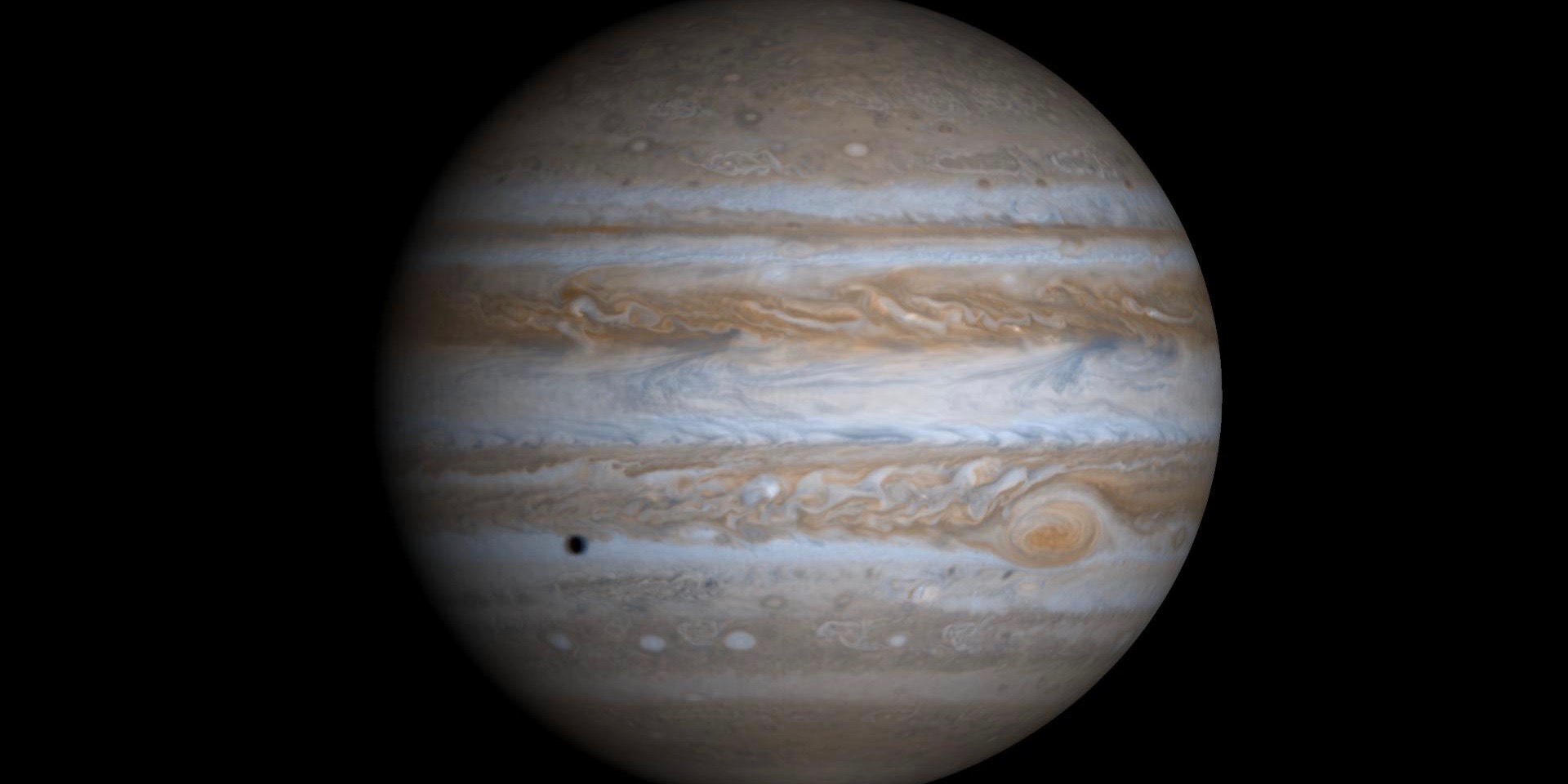
Jupiter had growth disorders
Researchers of the Universities of Bern and Zürich and of ETH Zürich show how Jupiter was formed. Data collected from meteorites had indicated that the growth of the giant planet had been delayed for two million years. Now the researchers have found an explanation: Collisions with kilometer-sized blocks generated high energy, which meant that in […]
Continue Reading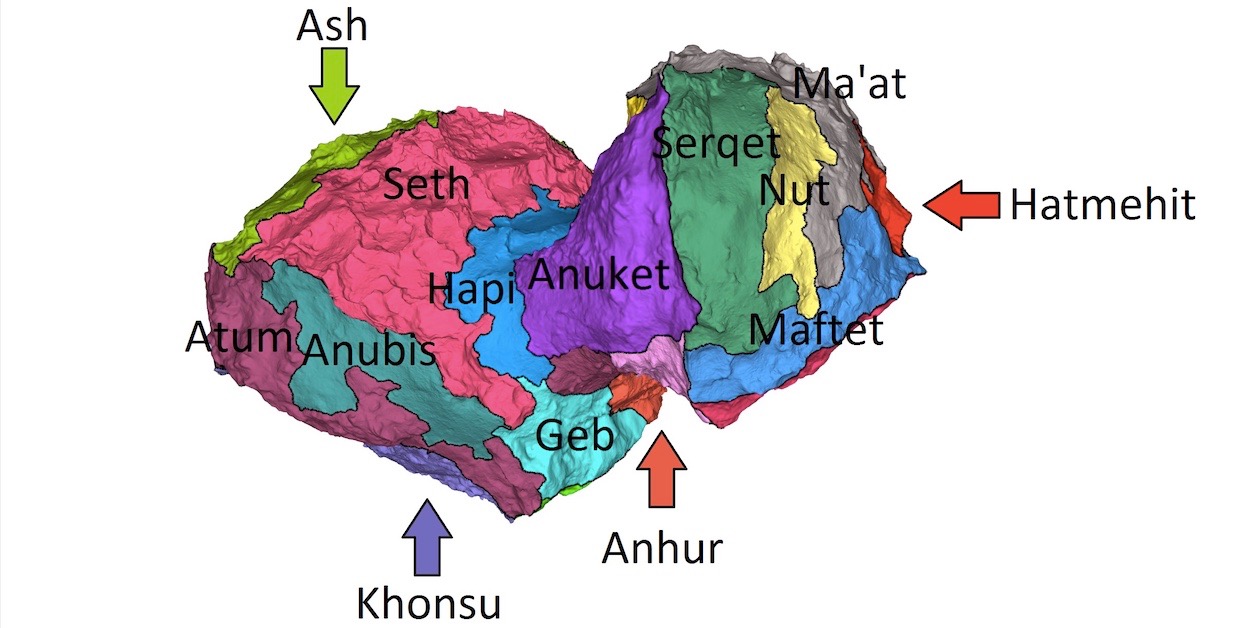
New comet models thanks to “Chury” data
The MiARD project (Multi-instrument Analysis of Rosetta Data) was a 30-month international research project led by the University of Bern to make the best use of the vast amount of data produced by the Rosetta mission. The most important results, models and an artistic project on MiARD have now been presented. The Rosetta spacecraft has […]
Continue Reading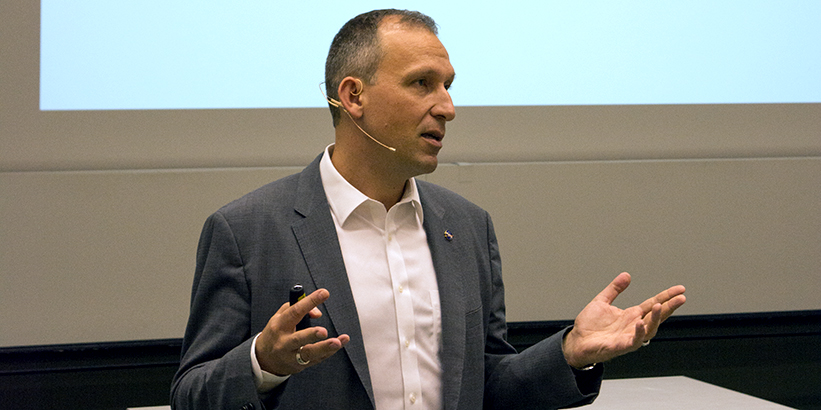
“If a theory persists under pressure, then it’s good”
When the NASA science director comes to Bern, a full lecture hall is guaranteed. This was naturally the case on Tuesday, 21 August, when Thomas Zurbuchen gave a lecture entitled “On the Shore of the Cosmic Ocean”. The title of Zurbuchen’s talk was based on this well-known quotation by the astronomer Carl Sagan: “The surface […]
Continue Reading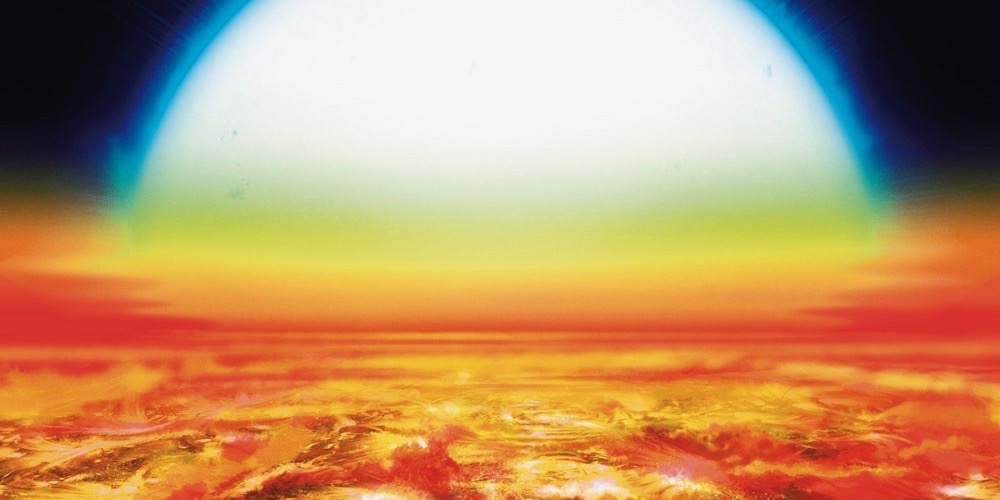
Iron and titanium in the atmosphere
Metal vapours have been detected in the atmosphere of an “ultra-hot Jupiter” by a team of astronomers led by the UNIGE. Exoplanets, planets in other solar systems, can orbit very close to their host star. When, in addition to this, the host star is much hotter than our Sun, then the exoplanet becomes as hot […]
Continue Reading
Tom Dooley and the young, active sun
Just about 4.5 billion years ago, our sun went through an active phase during which it shone much more brightly than it does today – a conclusion researchers reached after taking measurements at ETH Zurich using a truly unique instrument. The Institute of Geochemistry and Petrology at ETH Zurich is home to an instrument that […]
Continue Reading