
News
Provide a gift for everyone
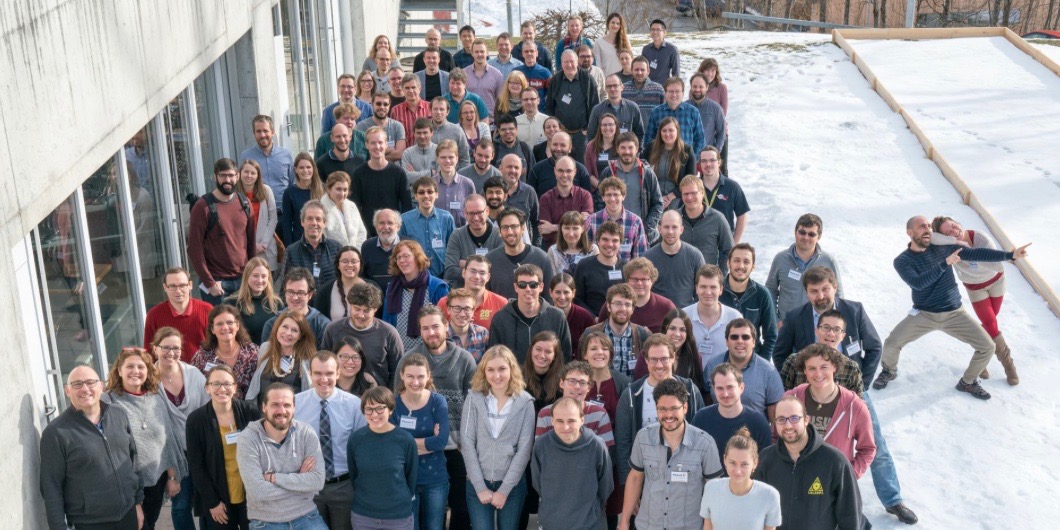
From scientific results to planned projects, from gender issues to rocket construction, and from proposal writing to the life after academia: The program at the General Assembly of the NCCR PlanetS 2018 in Grindelwald was fully packed and provided the 125 participants with material for many discussions. “You can’t do science without money,” stated Dan […]
Continue Reading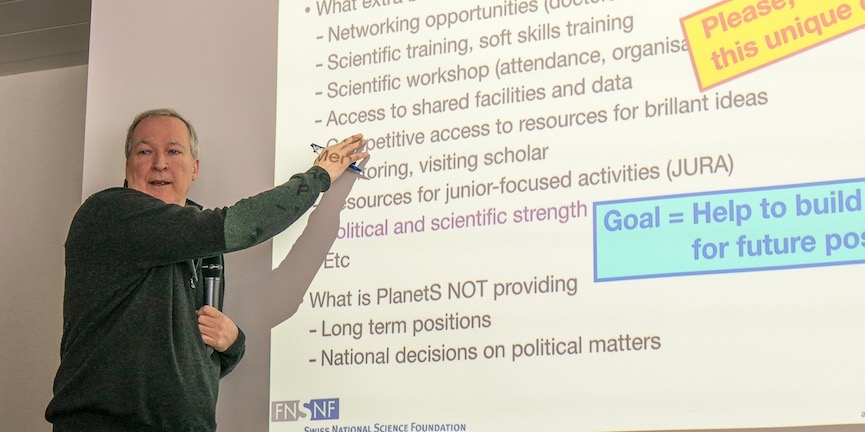
A permanent position, the “Holy Grail” for young scientists
By Stéphane Udry Four years after the start of the NCCR, questions about the future are starting to become more pressing for the young astronomers in PlanetS. During the 4th General Assembly, held once again in the beautiful setting of Grindelwald, they raised serious concerns about the future of their career. Will fixed positions be […]
Continue Reading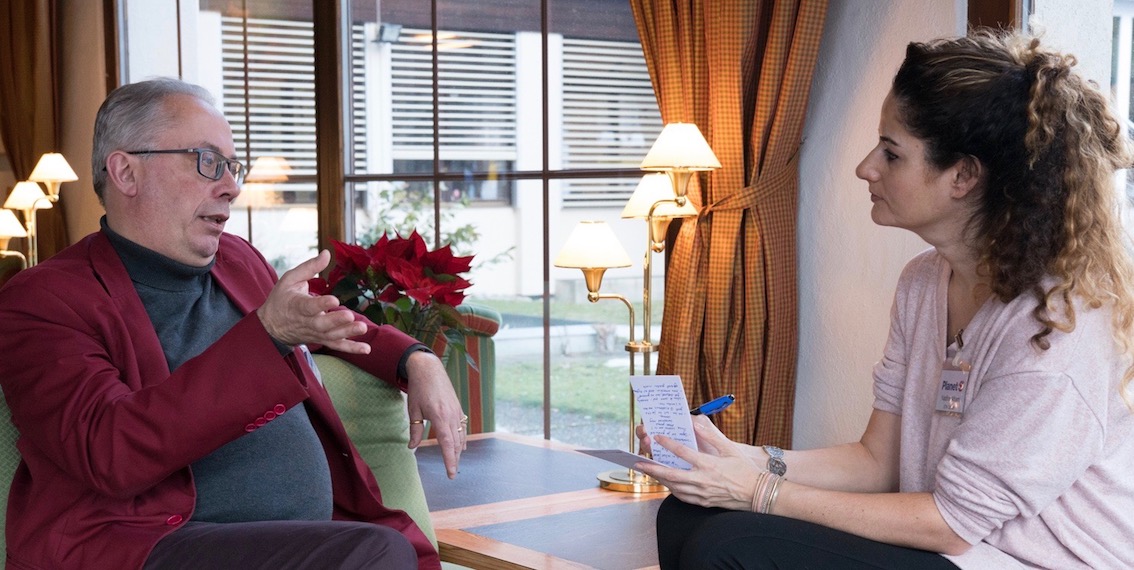
“Sometimes, it is not ourselves that we have to focus on”
Tomas Brage is a Professor of Physics at Lund University, Sweden. His research interests are in e.g. Laboratory Astrophysics as well as in Education and Didactics, Research in Physics, Gender and Equal Opportunities, Outreach, and Internationalization. At Lund University, he has led the Gender Certification project and the Core-Value project. In 2012, he has received […]
Continue Reading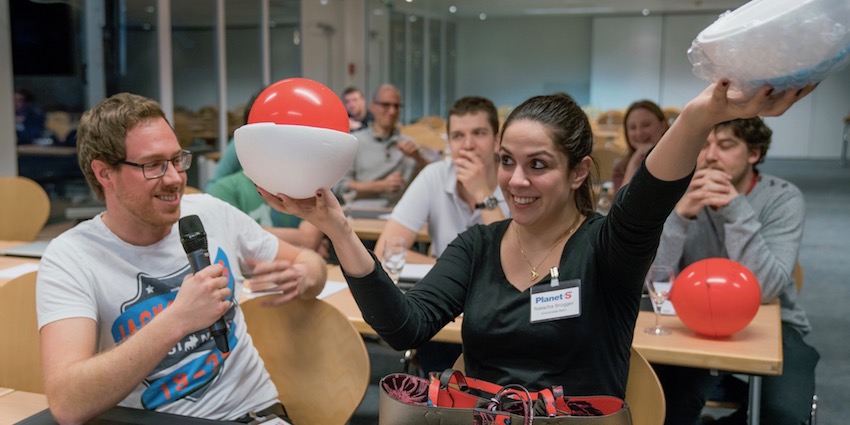
Do-it-yourself in Grindelwald
When we visit schools or when schools visit us, we regularly use models or didactic tools to explain astronomical mechanisms. One of the best known is the one that explains the motion of a planet around a star and the motion of the star around the planet, a tool that allows illustrating the radial velocities […]
Continue Reading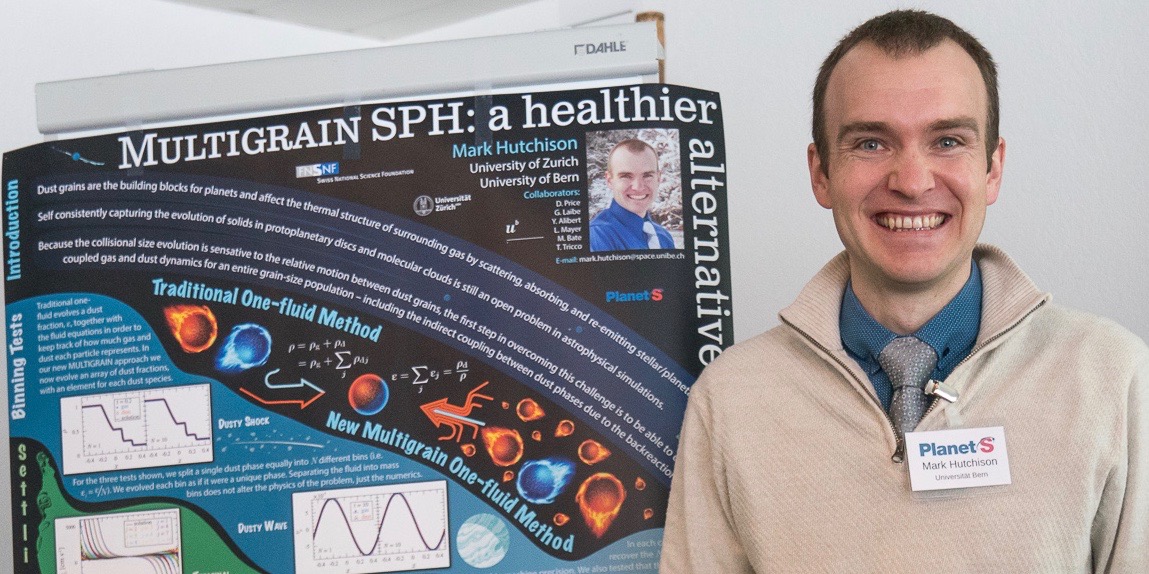
How to design a winning poster
With his colourful work Mark Hutchison, postdoc at the University of Bern, won the prize of the best poster presented at the PlanetS General Assembly 2018. Here, he tells us what it takes to make a good poster. By Mark Hutchison The first international conference I attended was a Division of Plasma Physics meeting in […]
Continue Reading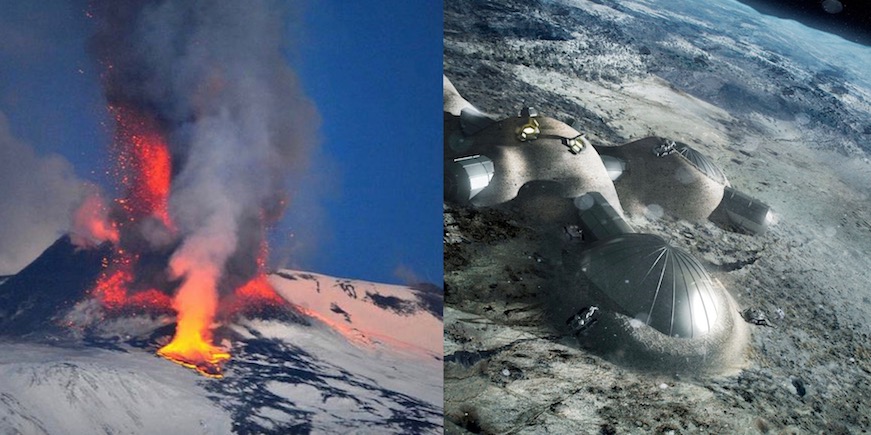
Habitable worlds at ESA
The 51st ESLAB Symposium took place at ESTEC (Nordwijk Netherlands) in early December (4 to 8). This year’s subject was about extreme habitable worlds. A particularly interesting topic for all planetary hunters and those who are looking for habitable worlds that could harbour life. Many themes were discussed during this week: climate on exoplanets, composition […]
Continue Reading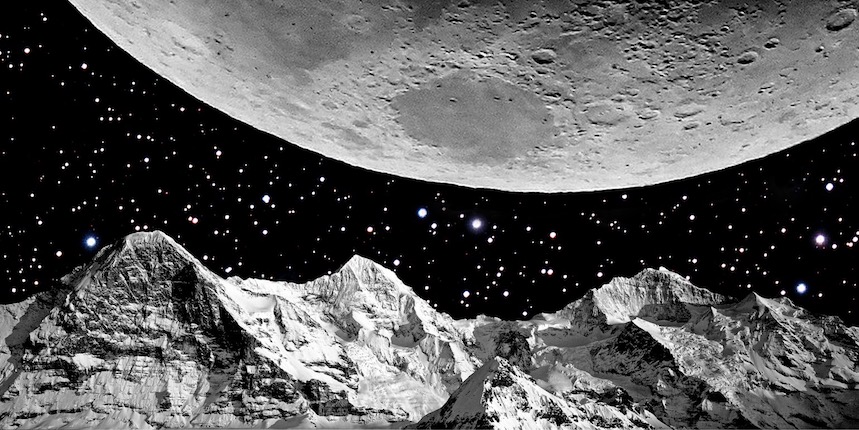
Starmus Festival to come to Bern in 2019
In summer 2019, the first moon landing will celebrate its 50th anniversary. The successful Apollo 11 mission is closely linked with the University of Bern. Due to this anniversary, the renowned Starmus Festival will take place in Bern from 24 to 29 June 2019. It is a festival which brings together science – primarily astronomy […]
Continue Reading
ESPRESSO: first time with the 4 UTs of the VLT
The membres of the ESPRESSO team announced that the first light of ESPRESSO with the four VLT 8.2-meter Unit Telescopes (4UT mode) took place on Saturday February 3rd, 2018. The ESPRESSO team had been granted a half night of the 4UT mode by ESO, and it started with a cloudy sky, generously offered by the […]
Continue Reading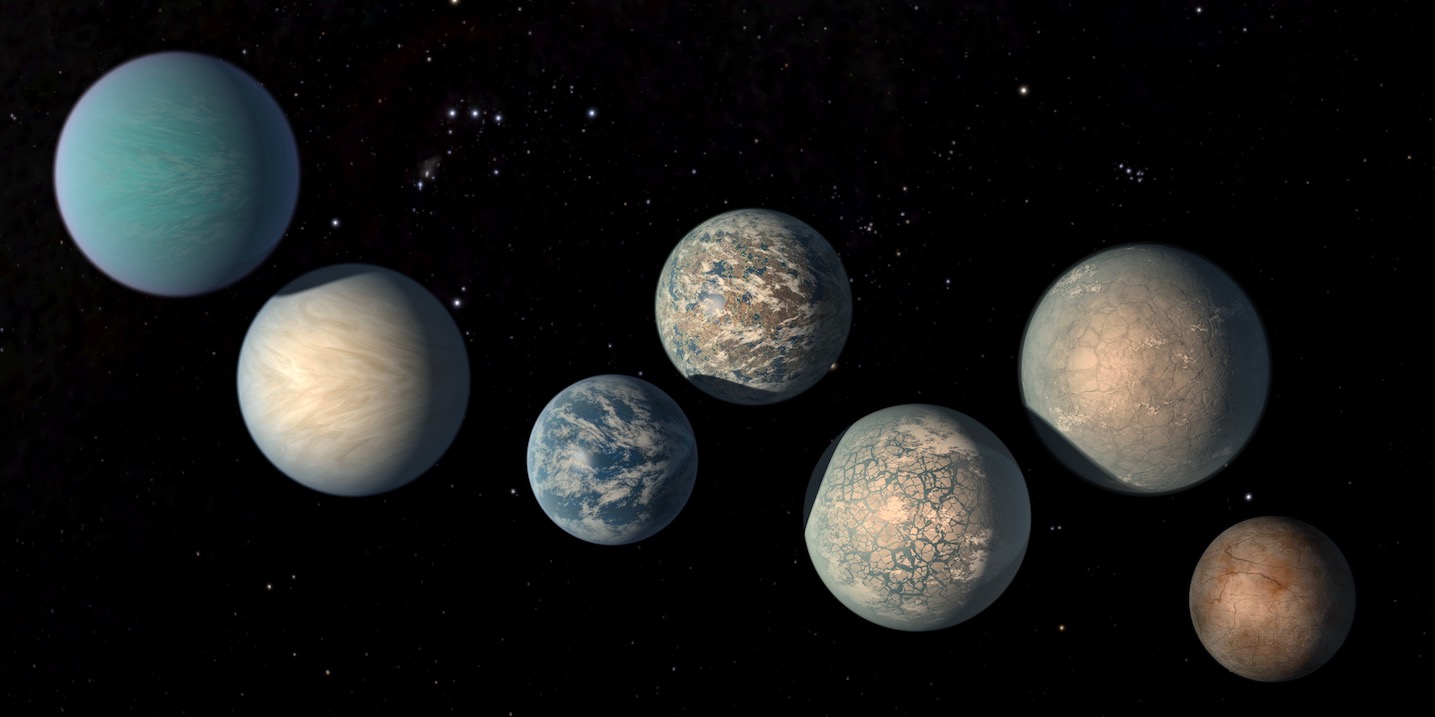
What the TRAPPIST-1 planets could look like
Researchers at the University of Bern are providing the most precise calculations so far of the masses of the seven planets around the star TRAPPIST-1. From this, new findings are emerging about their density and composition: All TRAPPIST-1 planets consist primarily of rock and contain up to five percent water. This is a decisive step […]
Continue Reading
“Writing is very close to my heart”
With two prestigious awards, conferred at the end of 2017, Kevin Heng started an exciting year. The professor at the Center for Space and Habitability (CSH) of the University of Bern and member of the NCCR PlanetS received a grant by the European Research Council (ERC) and a writing prize by the American Astronomical Society […]
Continue Reading