
News
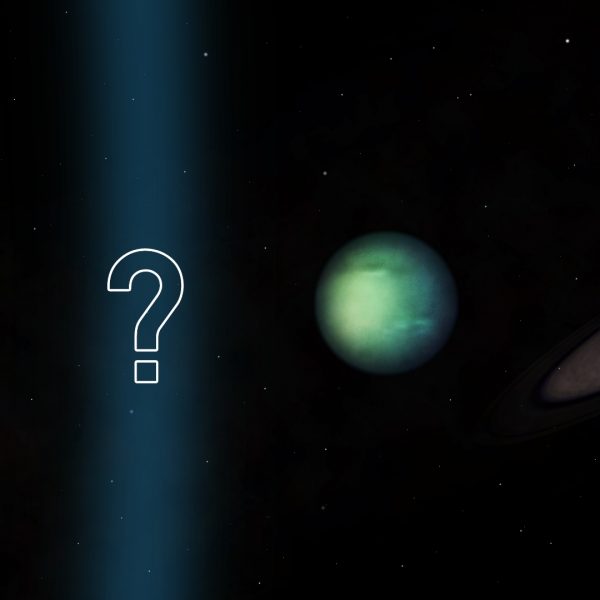
Where to find the next Earth
A team from the University of Bern and the National Centre of Competence in Research (NCCR) PlanetS has developed a machine learning model that predicts potential planetary systems with Earth-like planets. The model could significantly accelerate and thus revolutionize the future search for habitable planets in the universe. The search for Earth-like exoplanets – planets […]
Continue Reading
Fantasy Basel 2025 – Call for volunteers
This is the call for 2025, for the 2026 call, please go to the following page! Dear PlanetS members and associates, Once again, PlanetS will return to Fantasy Basel – the Swiss Comic-con – and we need you! This year marks the 30th anniversary of 51 Peg b discovery, so exoplanets will be our main […]
Continue Reading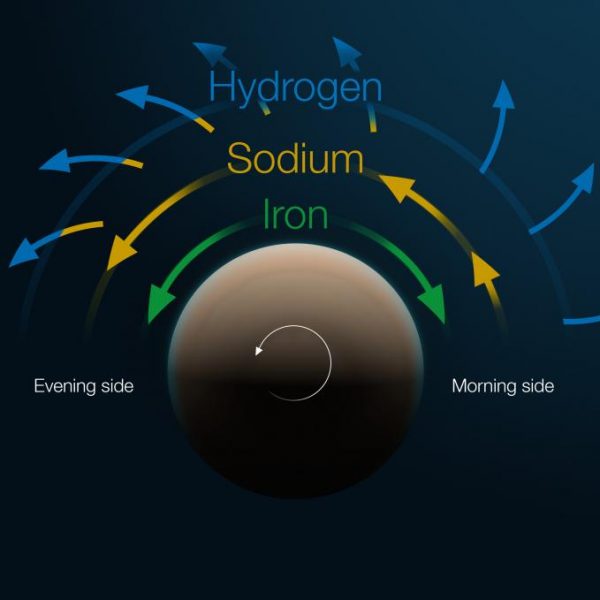
This exoplanet’s extreme climate defies all models
WASP-121b is one of the most studied exoplanets. Known for its extreme conditions—such as clouds of metal vapor—it belongs to the category of ultra-hot Jupiters. To explore its mysteries, an international team of astronomers, including researchers from the University of Geneva’s (UNIGE) Department of Astronomy and the PlanetS National Research Center, combined observations from the […]
Continue Reading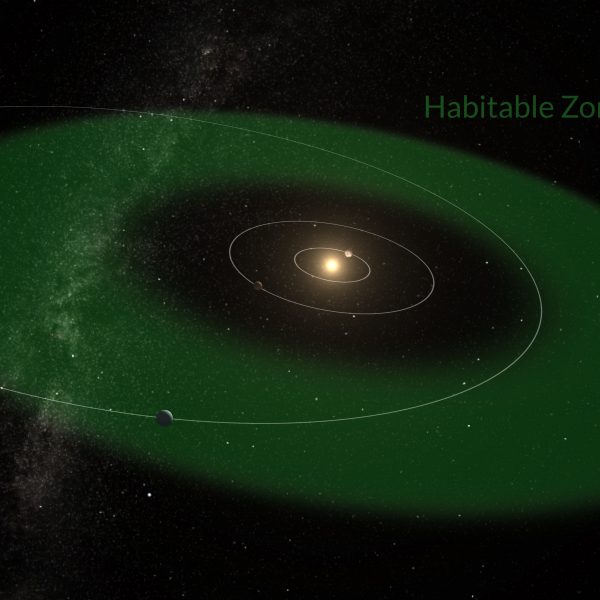
A super-Earth laboratory for searching life elsewhere in the Universe
Thirty years after the discovery of the first exoplanet, more than 7000 have been discovered in our Galaxy. But there are still billions more to be discovered! At the same time, exoplanetologists have begun to take an interest in their characteristics, with the aim of finding life elsewhere in the Universe. This is the background […]
Continue Reading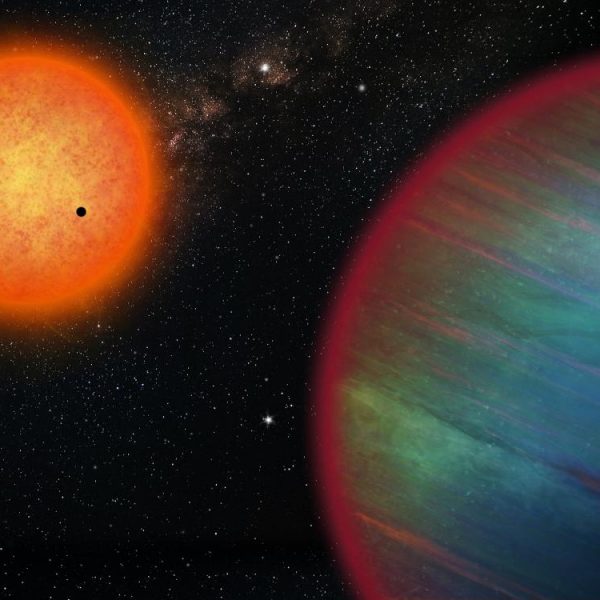
Not all Hot Jupiters orbit solo
Hot Jupiters are giant planets initially known to orbit alone close to their star. During their migration towards their star, these planets were thought to accrete or eject any other planets present. However, this paradigm has been overturned by recent observations, and the final blow could come from a new study led by the University […]
Continue Reading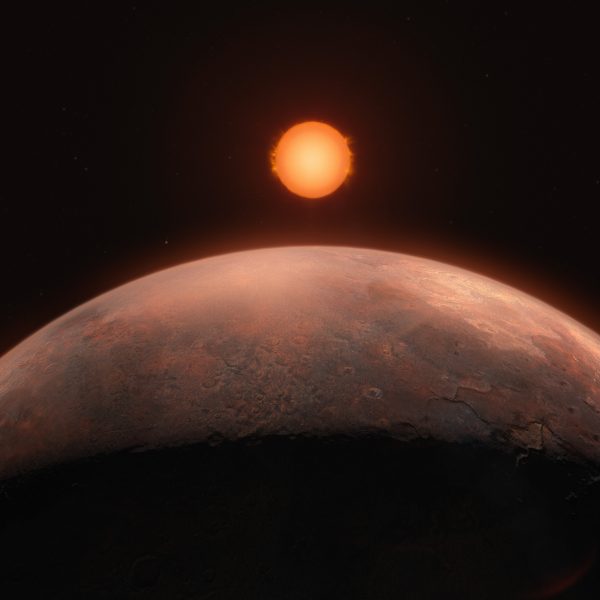
A sub-Earth detected around our neighbouring star Barnard
A team of scientists including researchers from the University of Bern, the University of Geneva and the NCCR PlanetS used the ESPRESSO Spectrograph to discover a sub-Earth mass exoplanet orbiting Barnard’s star, the second-closest star system to the Sun. This discovery helps to understand planetary formation around red dwarfs and provides insights into the diversity […]
Continue Reading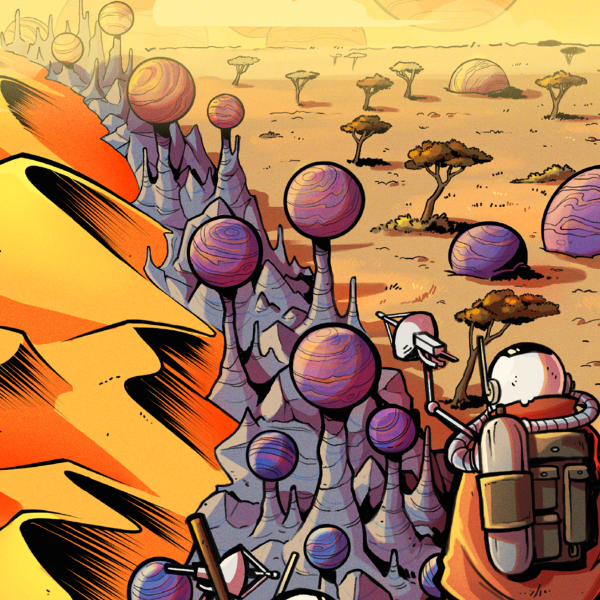
Hidden exoplanets between the Neptunian desert and savanna
Astronomers have uncovered the ‘‘Neptunian Ridge’’, a newly identified feature in the distribution of exoplanets. This discovery, led by an international team including members of the University of Geneva, The NCCR PlanetS and the Centro de Astrobiología (CAB), highlights the complex dynamics within the Neptunian Desert, a region with a scarcity of hot Neptunes, and […]
Continue Reading
Farinella Prize 2024 Awarded to Ravit Helled
NCCR PlanetS member Prof. Ravit Helled, of the University of Zurich in Switzerland, has been awarded the 2024 Paolo Farinella Prize for her outstanding contributions to research into ‘the internal structure of planetary bodies: clues on formation processes of the Solar System’. The award ceremony took place on the first day of the Europlanet Science Congress (EPSC) 2024 […]
Continue Reading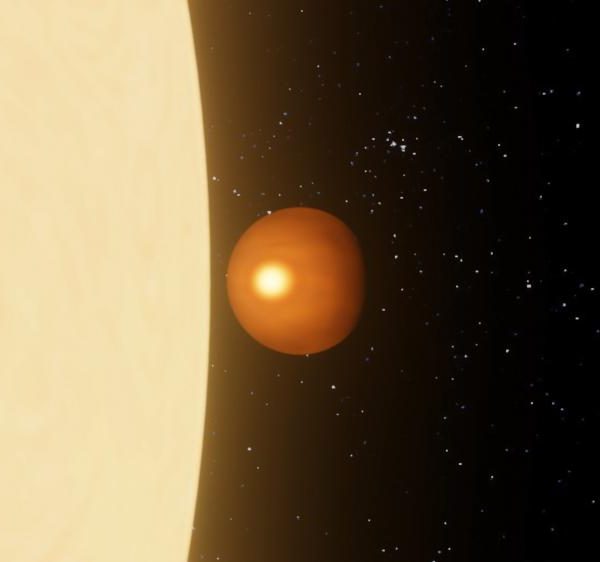
Iron winds on an ultra-hot exoplanet
An international team of astronomers, including scientists from the University of Geneva (UNIGE) and the National Centre of Competence in Research PlanetS, has identified the presence of iron winds in the atmosphere of the ultra-hot Jupiter WASP-76 b. This planet with its extreme conditions – over 2000 degrees Celsius – is a prime target for […]
Continue Reading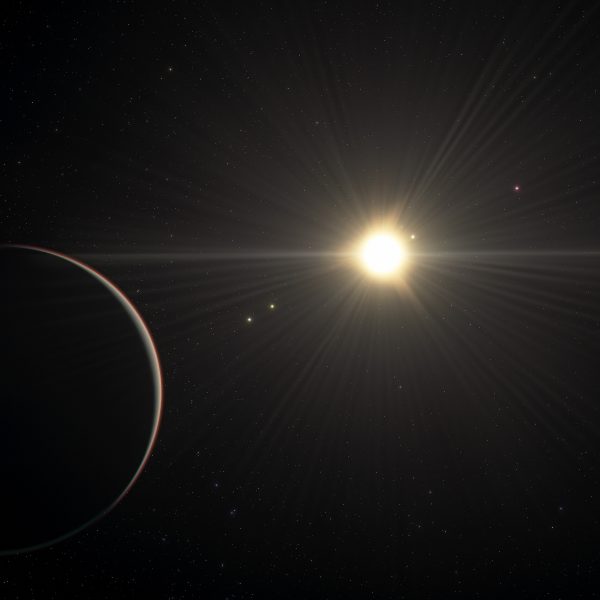
The density difference of sub-Neptunes finally deciphered
The majority of stars in our galaxy are home to planets. The most abundant are the sub-Neptunes, planets between the size of Earth and Neptune. Calculating their density poses a problem for scientists: depending on the method used to measure their mass, two populations are highlighted, the dense and the less dense. Is this due […]
Continue Reading